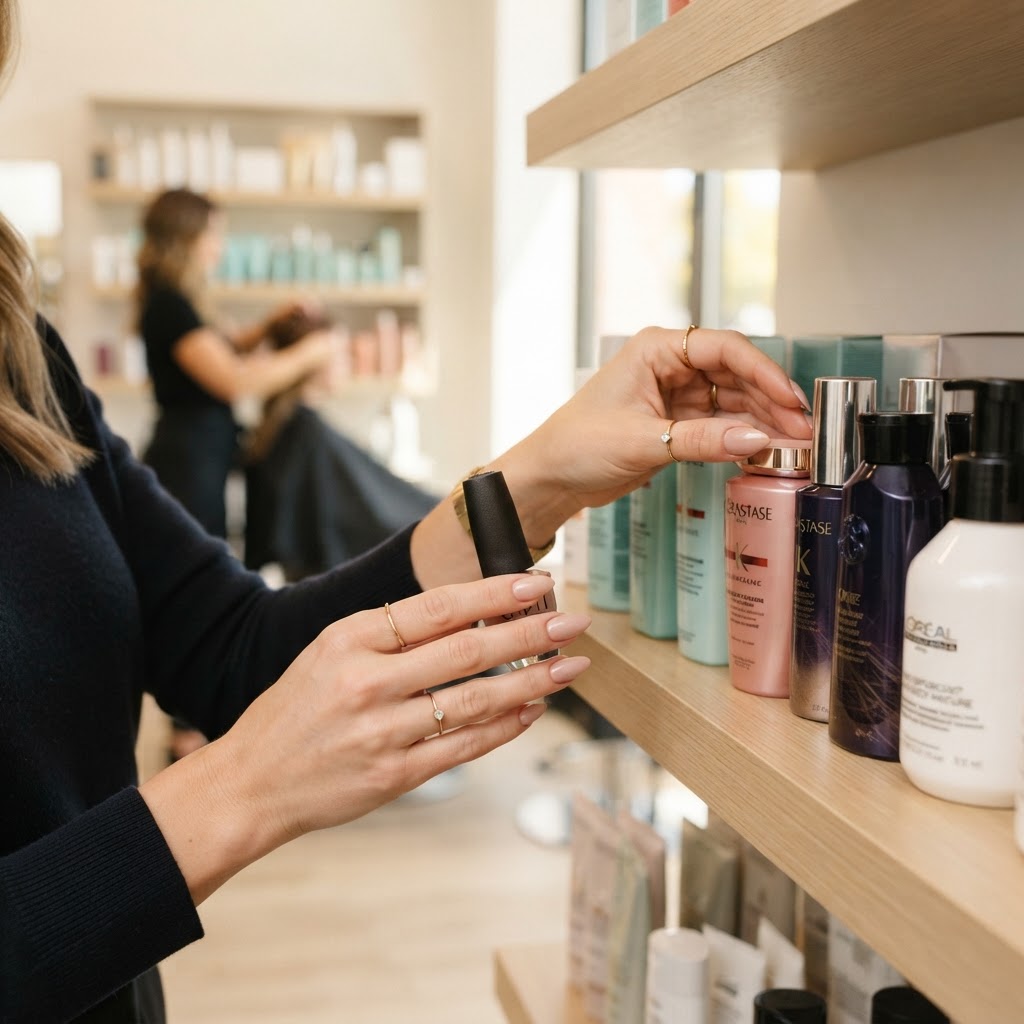
Mastering Your Salon Inventory: Stop Wasting Profits on Dust
By Nail Tech Success Team
Stop Treating Your Stockroom Like a Hobby
Many nail technicians view their product collection as a reflection of their passion. While creativity is your engine, your inventory is your bank account. Every bottle of gel polish, box of nail forms, and unopened bottle of cuticle oil sitting on your shelf is liquid capital tied up in 'dust.' If you aren't rotating your stock strategically, you aren't just losing space; you are actively losing profit to obsolescence, expiration, and dead capital.
The Real Cost of 'Just in Case' Buying
Most beauty professionals fall into the trap of purchasing supplies to satisfy a 'what-if' scenario. You buy three extra bottles of that trendy neon green because a client might ask for it in July. If that polish sits untouched for six months, you haven't invested; you have wasted capital that could have been used for more profitable investments, like high-quality files or better lighting.
Audit Your Current Usage
Before you buy another single item, you must audit your past 90 days. Calculate:
- The exact number of services performed for each service type.
- The amount of product consumed per service.
- The frequency of purchase for your top 5 staple items.
Once you have these numbers, create a par level for every essential. A par level is the minimum amount of stock you need to have on hand to safely cover your busiest weeks. Anything above this is unnecessary bloat.
The FIFO Method for Nail Techs
In the beauty industry, product shelf life matters. If you aren't using the First-In, First-Out (FIFO) method, you are likely letting expensive base coats and bonders expire before they reach the bottom of the bottle. Arrange your shelves so that the newest stock is always placed behind the older stock. This ensures you are constantly rotating your inventory and using products while they are at their peak performance.
Negotiating with Suppliers for Better Terms
Stop buying retail at the same rates you did as a student. If you have been loyal to a specific brand for over a year, reach out to your sales representative. Ask for:
- Volume Pricing: Even if you are a solopreneur, purchasing in bulk for non-perishable items like lint-free wipes or files can save you 15-20% annually.
- Consignment Models: Some professional lines are open to consignment for retail products. This allows you to sell items to your clients without the upfront capital expenditure.
- Direct Shipping: If your wholesaler has a subscription model, use it to automate the replenishment of staples. This removes the emotional component of buying and keeps your inventory lean.
When to Liquidate Dead Stock
Every professional ends up with products they simply don't use. Perhaps a specific base coat didn't work for your client base, or a trend faded faster than expected. Do not let these items occupy your valuable workspace.
- Bundle for Value: If you have retail products sitting stagnant, bundle them with a popular service to clear the shelf.
- The 'Use-It-Or-Lose-It' Rule: If a product hasn't been used in 120 days, it is officially dead stock. Sell it to a student, donate it, or if it is expired, dispose of it properly. Clean space creates a clean mind and a more professional environment.
Turning Inventory into Profit
Your inventory should be a direct reflection of your most popular services. If your most requested service is a structured gel manicure, 70% of your budget should be dedicated to those specific supplies. By narrowing your focus and strictly managing your stockroom, you stop bleeding cash on impulse buys and start investing in the growth of your business. Treat your supplies like a professional asset, not a collection, and watch your margins expand.